Using the Four-Quadrant Slide
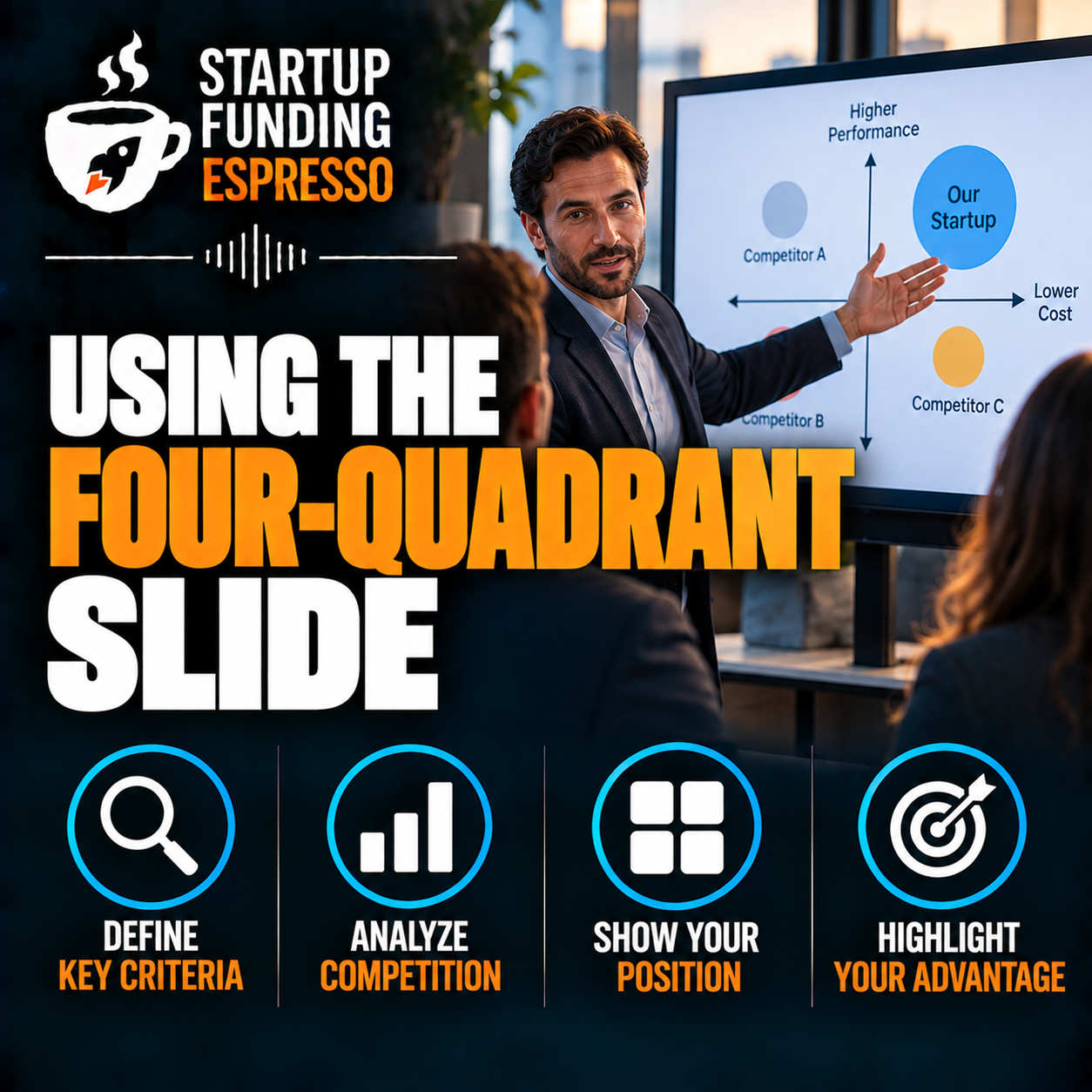
In pitching the startup, the founder shows how the business will be positioned in the market. The four-quadrant slide is one tool to show how the startup compares to the competition. Here’s how to set up the four-quadrant slide. Start by identifying the key criteria for customers. This could be...
Why Build a Financial Forecast
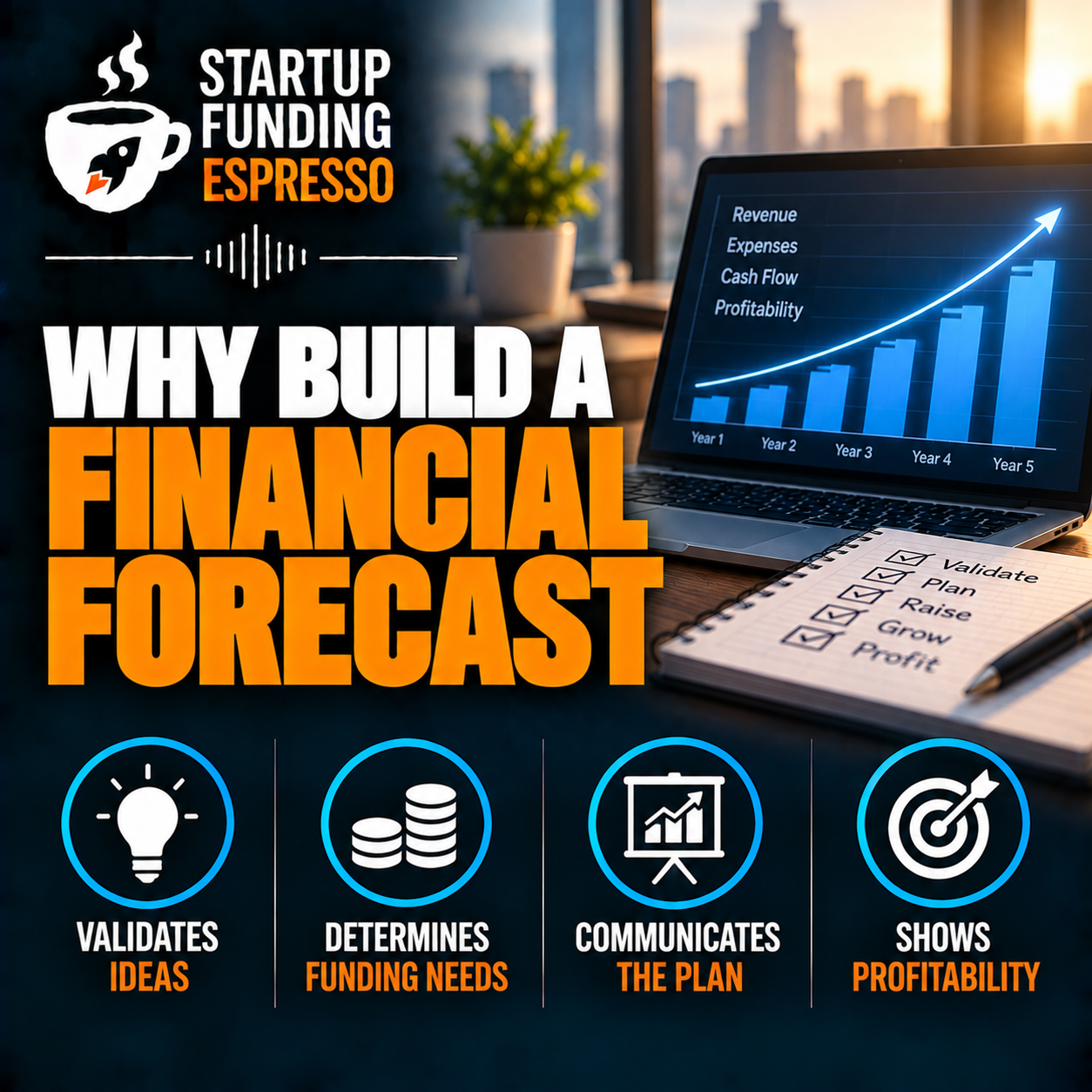
Startups should build a financial forecast for their business. Even if the future is uncertain and all the data is not known, it’s still important to build one. Here are the reasons why: It validates the founder’s hypothesis. A founder should have a hypothesis about the business. A financial projection...
Be Founder-Friendly To Gain More Dealflow
Founders live in the center of the startup world and thus see many companies raising funding. A startup investor will do well to tap into the knowledge of founders about other startups raising funding. An investor who treats founders well will find they are often amenable to making referrals. Here...
Founderflow vs Dealflow
Startup investors spend their day looking for quality deals. There are business plan competitions, demo days, and other formats where founders pitch. Then there’s warm introductions and referrals. The quality of these deals tends to be higher. Most investors don’t take time to refer a low-quality deal. Instead of looking...
How To Qualify an Investor for Your Startup
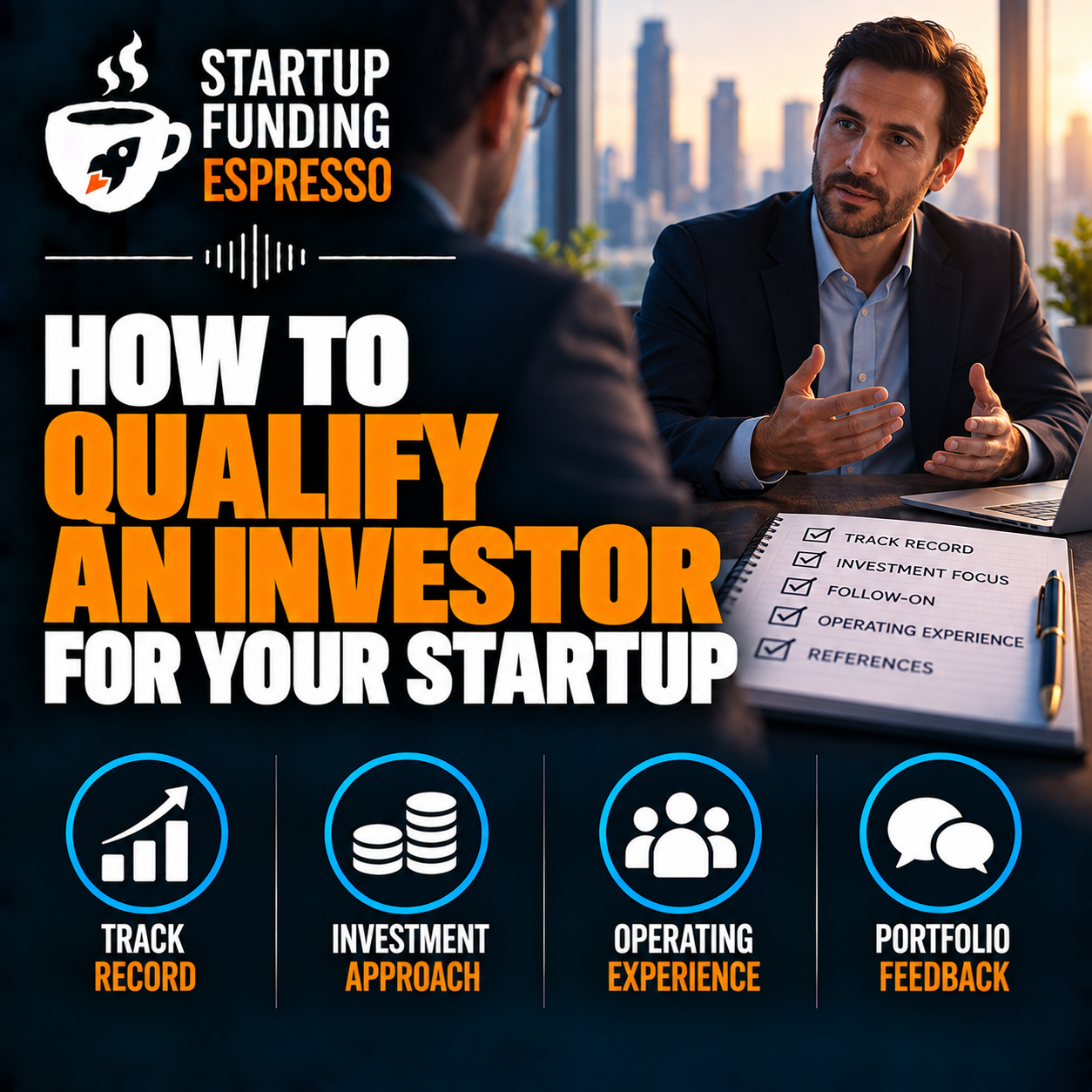
Founders searching for investors need to qualify the investors for their deal. Here are key questions to ask an investor before pursuing your fundraise: Are they currently investing? What was the most recent investment made? How many of your funded companies achieved an exit? How many of those exits were...
Investing in Climate Tech
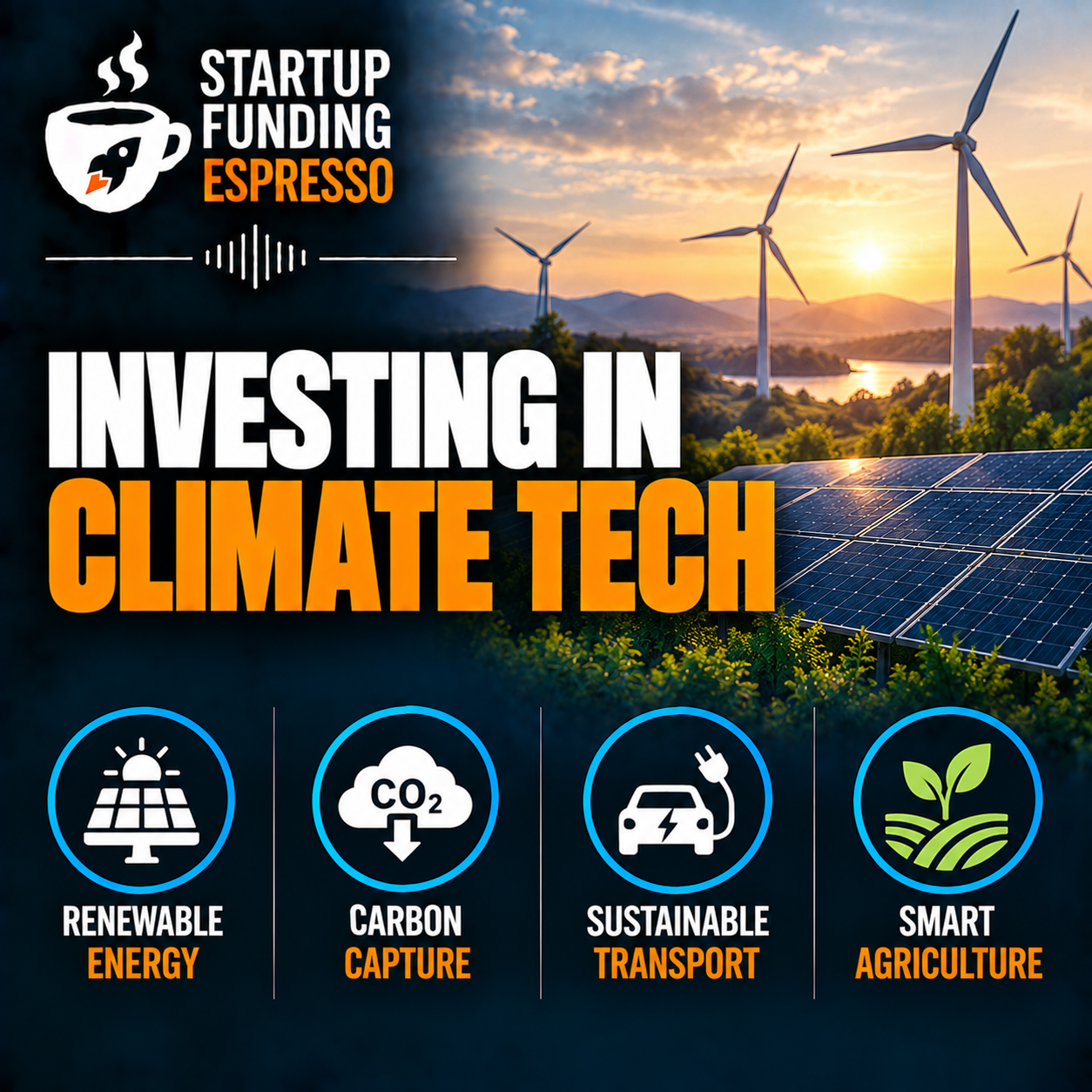
Climate Tech is an up-and-coming investment opportunity. Here are the sectors, benefits, and risks. The key sectors include the following: Renewable energy such as solar, wind, and geothermal. Carbon capture for capturing, storing, and utilizing carbon emissions. Sustainable transport such as electric vehicles. Smart agriculture such as vertical farming. The...
How to Diligence an AI Startup
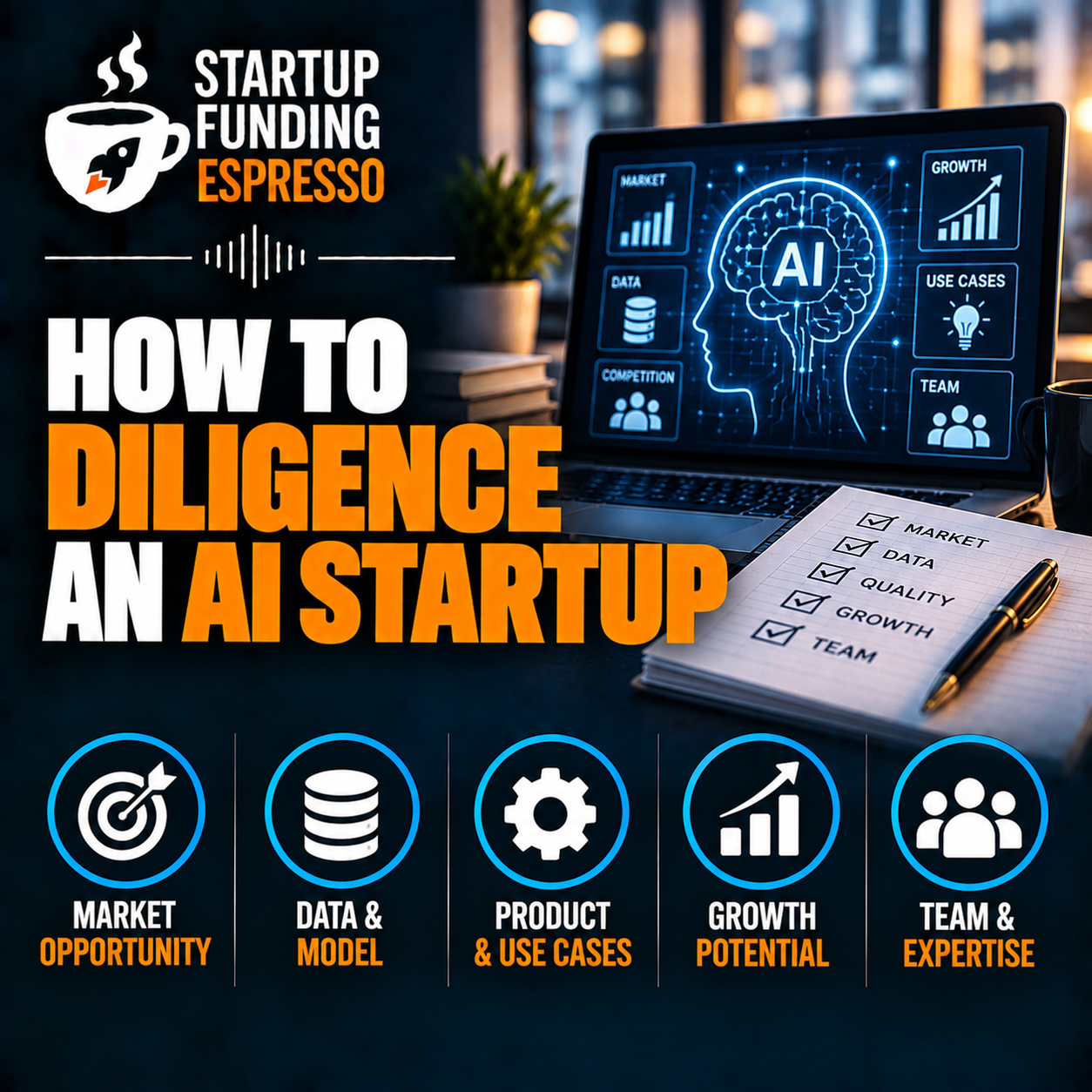
Artificial intelligence companies bring new challenges to the diligence process. Here are the key steps to diligence an AI startup: Does the AI startup have a clearly defined market that needs the product? How competitive is the startup over other providers? How well does the product fit the customer’s needs?...
Technical Due Diligence
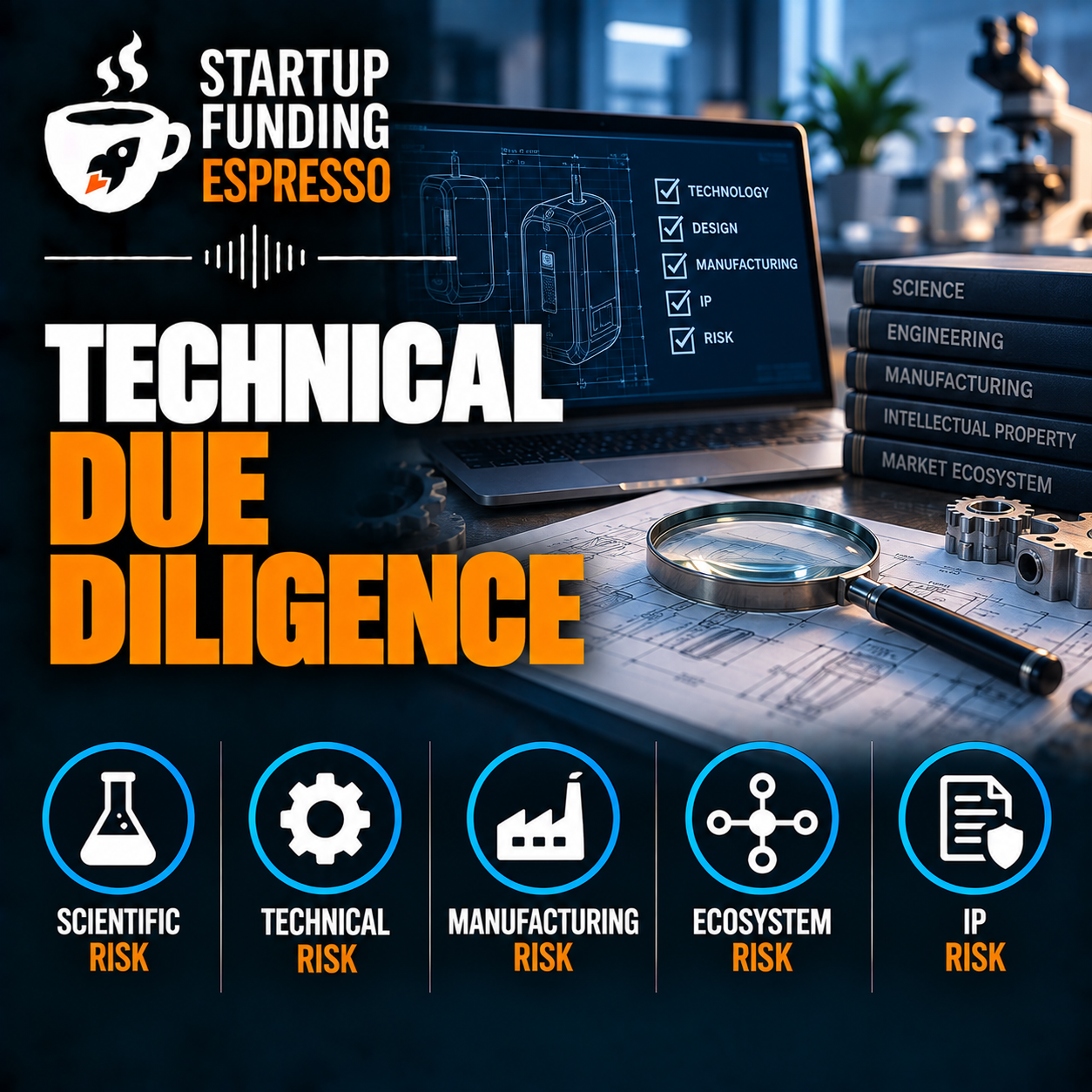
Investing in startups requires due diligence. In addition to financial diligence, an investor should consider technical due diligence. Here are the key areas to review for technical due diligence: Scientific risk. This is the risk in deep tech startups that comes from basic science. Look for startups that have de-risked...
Why VC Funds Should Build a Community
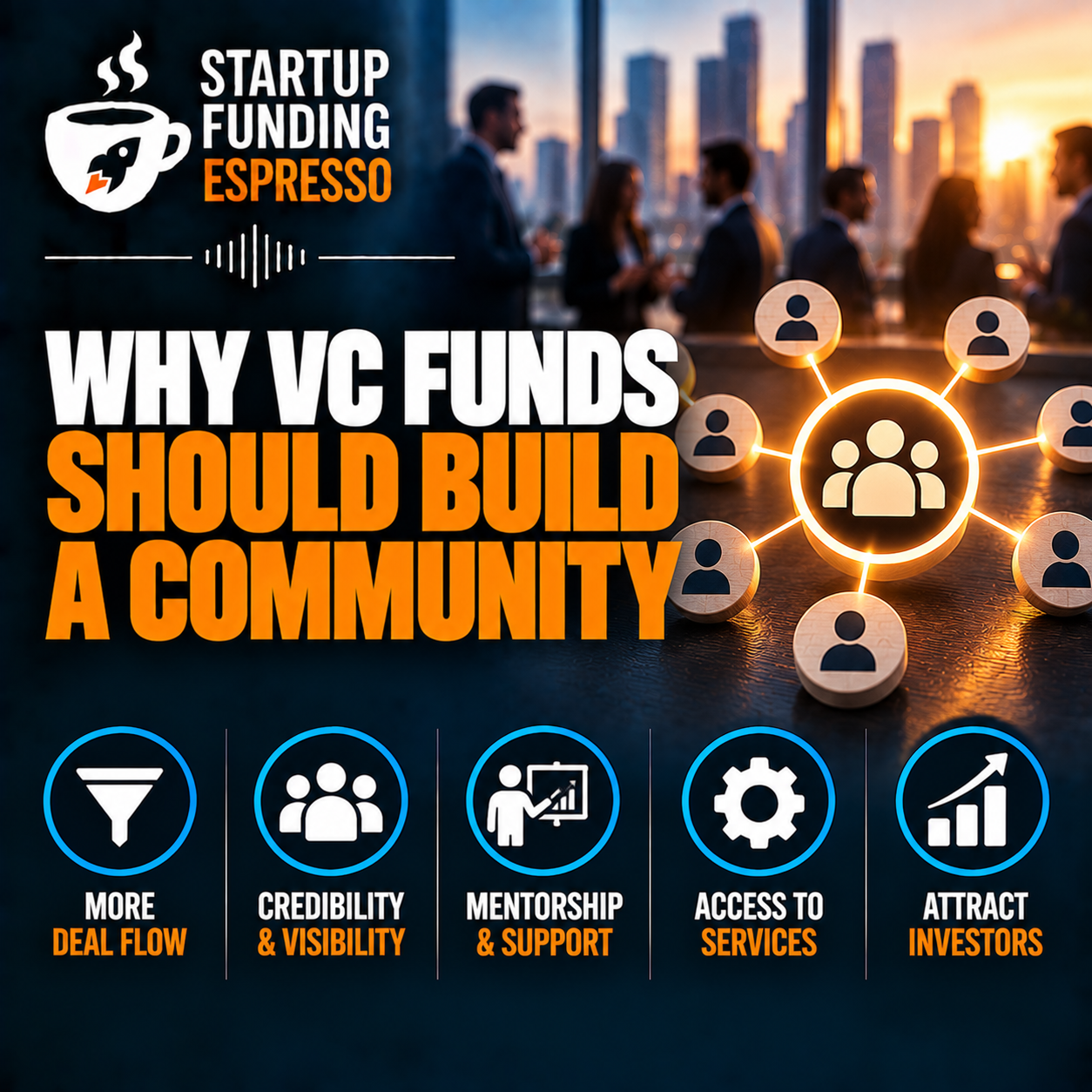
A community is a network of contacts who come together for a common cause. Venture capital funds should build a community. Here are the reasons why: A community will generate more and better deal flow. Those in the network will know of the venture capital fund and will send deal...
How To Validate the Startup’s Potential
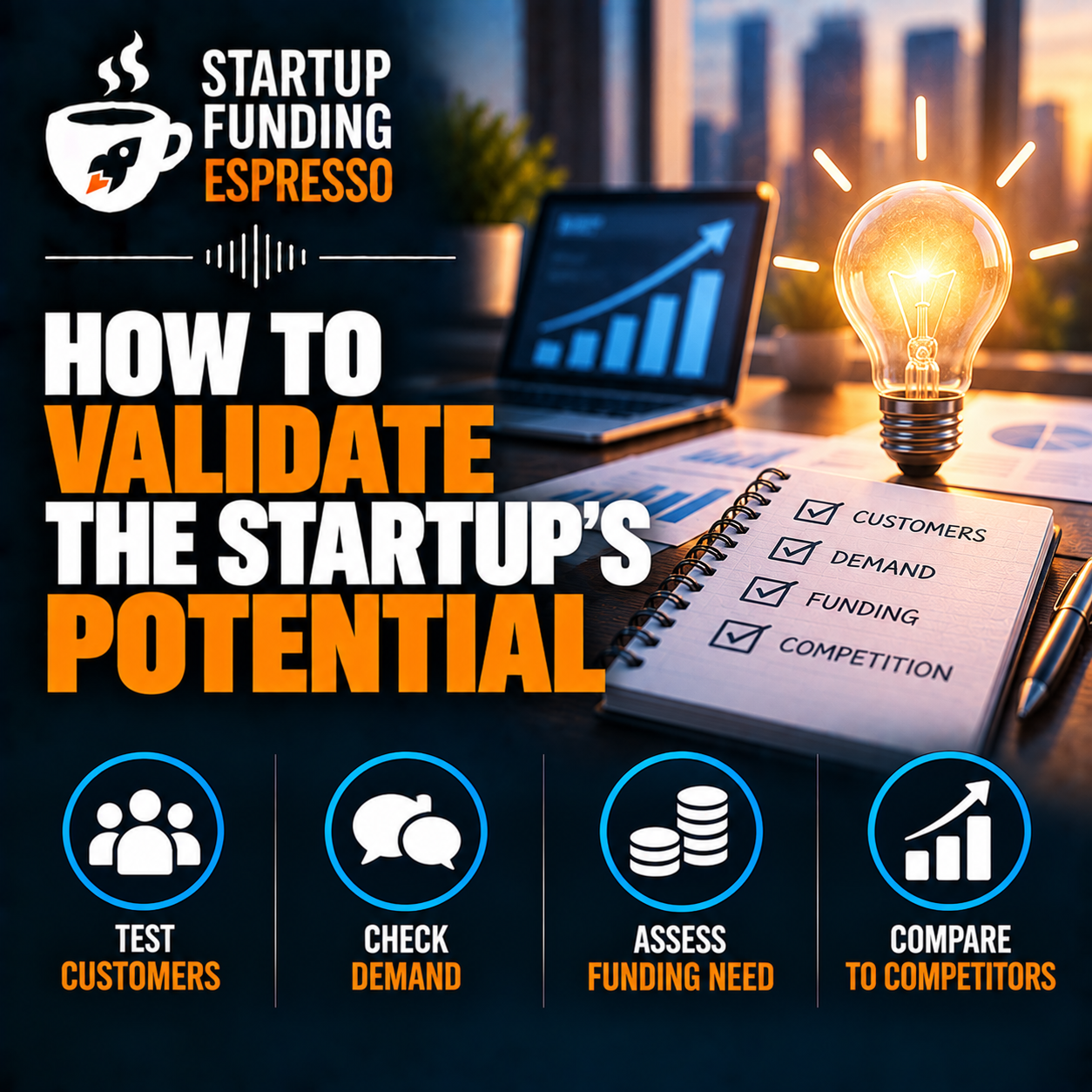
Investors considering funding a startup should test the startup’s potential. Here are some key techniques for evaluating the startup. Try to sell the startup’s solution to a potential customer. Gauge their reaction to the product and its price. If accepted, then this validates the value proposition of the company. Assess...